Gloria Steinem Discusses Her New Memoir, An Unexpected Life: "I Didn't Anticipate Any of It" | Vanity Fair
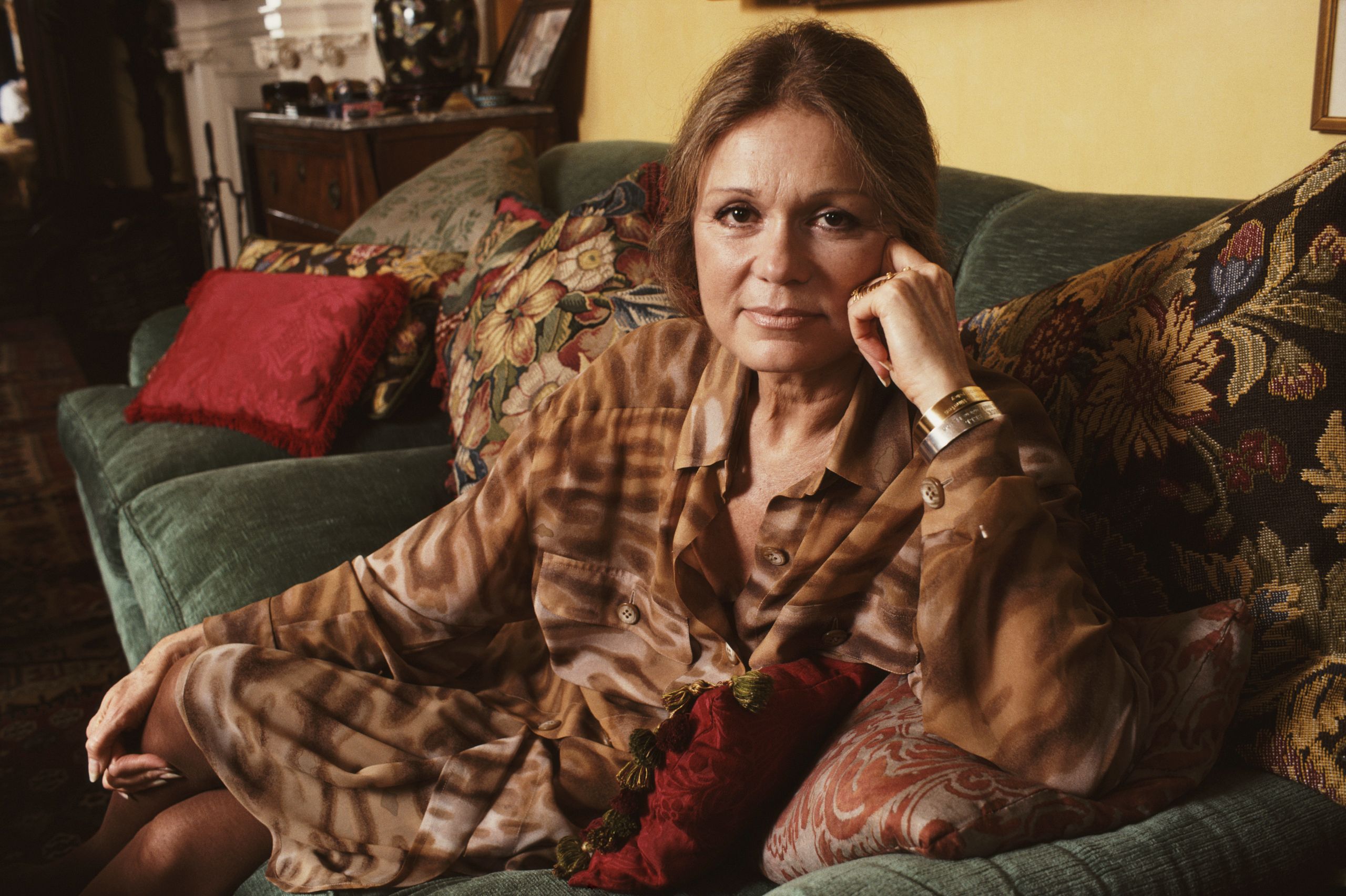
Even with a dozen books and decades of feminist advocacy to her name, Gloria Steinem still has plenty left to share. She only hopes there is time left to mention it all. “I don’t want to die saying but—” Steinem explains over Zoom from her Manhattan home, as she exclusively unveils the cover of her new memoir, titled An Unexpected Life, on her 92nd birthday.
Arriving from Random House on September 22, Steinem’s latest book explores how a curious kid from Toledo, Ohio, became one of the world’s most influential activists. “We have the idea that our lives are planned in order to be worthwhile. And that may be true in some cases,” she says, “but I think our ability to respond to and learn from the unexpected is really much more likely to be helpful.”
In 1963, Steinem made national headlines as a journalist following her undercover exposé, “I Was a Playboy Bunny,” published in Show magazine, which exposed the sexist working conditions of waitresses at New York City’s Playboy Club. She soon traded those bunny ears for a megaphone, becoming the de facto face of the women’s movement for over half a century. During that time, Steinem co-launched Ms. magazine in 1972, as well as numerous organizations that champion women, including the National Women’s Political Caucus, Voters for Choice, and the Women’s Media Center. What was the most unexpected moment in those last 60 years of Steinem’s life? “I’m not sure I saw any of it coming,” she says. “I grew up in the 1950s in post-war conservatism. It was supposed to be that women married and had more children to replenish the population, and we were probably going to live where we were born. None of those things turned out to be true for my life.”
In her memoir, Steinem delves into a childhood spent cycling through books, going on road trips with her traveling salesman father, and caring for her journalist mother amid ongoing mental health struggles. “It’s difficult for a neglected child, because it isn’t that there’s something wrong—it’s that there’s nothing,” Steinem told Vanity Fair back in 1992 about how her adolescent struggles led to a life of service. “You experience it as a lack of reality, as invisibility. So I set about making myself real by being useful.” Her book also sheds new light on the origins of Steinem’s most passionate beliefs—from a childhood rat bite that opened her eyes to the dangers of poverty to her attendance at the 1970 Women’s Strike for Equality that honored the right to vote.
In revisiting the equal-rights movements Steinem helped build, she offers wisdom to new generations about what the next chapters of the fight for equality will demand. “I definitely feel hopeful when I look at what women and men, mostly way younger than me, are doing,” says Steinem. She’s been far less impressed by the man who currently sits in the White House. “We in the United States don’t have a president we respect,” Steinem says when asked about the biggest threat Donald Trump currently poses. “One of the world’s most important democracies does not have a respected leader.” How does Steinem see the Trump administration ending? “Soon, I hope.”
A lifelong advocate for women’s right to choose, Steinem is similarly steely about American abortion access following the overturning of Roe v. Wade. “I mean, we either have power over our own bodies or we don’t have the most natural and intrinsic form of self-goverment,” she says. “As my old speaking partner, Florynce Kennedy, always said, ‘If men could get pregnant, abortion would be a sacrament.’ We should be able to make decisions about our physical selves.” Steinem’s 2015 memoir, My Life on the Road, is dedicated to the doctor who performed her abortion at age 22, when it was still illegal.
After college, Steinem spent two years in India studying grassroots activism and participating in nonviolent protests over government policies, a period that she reflects on as the 2028 presidential election looms. Steinem is hopeful about several potential candidates, but declines to name one: “I couldn’t possibly list them all.”
Instead, Steinem holds onto an adage she once told friend Meghan Markle: “We need to remember that hope is a form of planning. If you’re not hopeful, you’ve given up.” So, what makes Steinem hopeful these days? “I’m glad there’s relatively free media, but the real support we get is the all five senses example,” says Steinem. Amid societal turmoil, she is a proponent of spending actual, in-person time with other people, “our parents, our friends, our neighbors. Hopefully, we’ll be really in the same room sometime,” Steinem tells me with a smile.
In that spirit, Steinem still invites friends and cultural luminaries to her Upper East Side brownstone for robust conversations about policy issues, or even just a good night’s rest. “I have a place for people to stay when they come from California or India or wherever they live. And that’s a great gift,” says Steinem, “because each person is not just one book, but a library of books. And the more open we are to diversity, the more we learn. It’s good to seek difference.”
The Story of Charvet (Or, How to Keep Luxury Quiet)
How Florida’s Space Coast Has Become a Covert Corridor for Chinese and Russian Spies
Jeffrey Epstein's Lasting Grip on the Gates Foundation
“You’ll Answer in Hell”: The Families of Some ICE Agents Are Speaking Out
The Man Who Wants to Save Humanity From AI Is MIA
Crypto’s True Believers Demand to Be Taken Seriously
Glenn Beck’s AI George Washington Is a Right-Wing Sexual Fantasy
“You’ll Answer in Hell”: The Families of Some ICE Agents Are Speaking Out
Kylie Jenner Enters Her Hollywood Era
From the Archive: The Complex Calibrations Behind Cary Grant