5 Home Decor Trends Designers Forecast for 2026
Your floors are about to become art. Your bedroom is turning into a cocoon. And the line between your home and a boutique hotel is dissolving.
The decor landscape for 2026 looks different from what filled design feeds even a year ago. Several interior designers and architects are pointing to a shared direction: spaces that prioritize handmade texture, bold personal expression, and comfort that borders on enveloping. Here’s what they’re seeing — and how to put it into practice.
The first shift is one designers are calling “modern heritage.” It’s a move away from mass-produced uniformity toward spaces built around natural materials, handcrafted details, and a sense of personal history.
“Modern heritage reflects the ongoing appreciation for spaces that feel handcrafted and deeply personal,” says interior designer Sarah Broughton for The Spruce. “People want to feel connected to their homes in a way that celebrates character, texture, and a quieter kind of luxury rooted in memory and place.”
According to the article in The Spruce, Broughton says this style highlights craftsmanship while using natural materials. Think raw wood, stone, handwoven textiles, and finishes that show the touch of their maker rather than hiding it.
Interior designer Tyka Pryde describes another entry point: “blending historical architecture with a modern soul.” If your space has original molding, exposed brick, or vintage built-ins, leaning into those elements (rather than covering them up) puts you right in step with this direction.
The practical translation? Look for pieces with visible grain, natural imperfections, or artisan origins. Swap one factory-made accent for something locally made or vintage. The goal is a space that reads as collected over time, not assembled in a single delivery.
Here’s one most people haven’t considered: the floor as a design surface. Pryde says painted flooring is gaining momentum in 2026.
“Rich colors, bold geometric patterns, and hand-painted artistry are turning floors into canvases that completely redefine a space,” Pryde says.
This approach works especially well in entryways, sunrooms, or smaller rooms where a painted floor can anchor the entire space without competing with wall art or furniture. It’s also a lower-commitment way to experiment with color than a full room repaint, since floors can be sanded and refinished down the line.
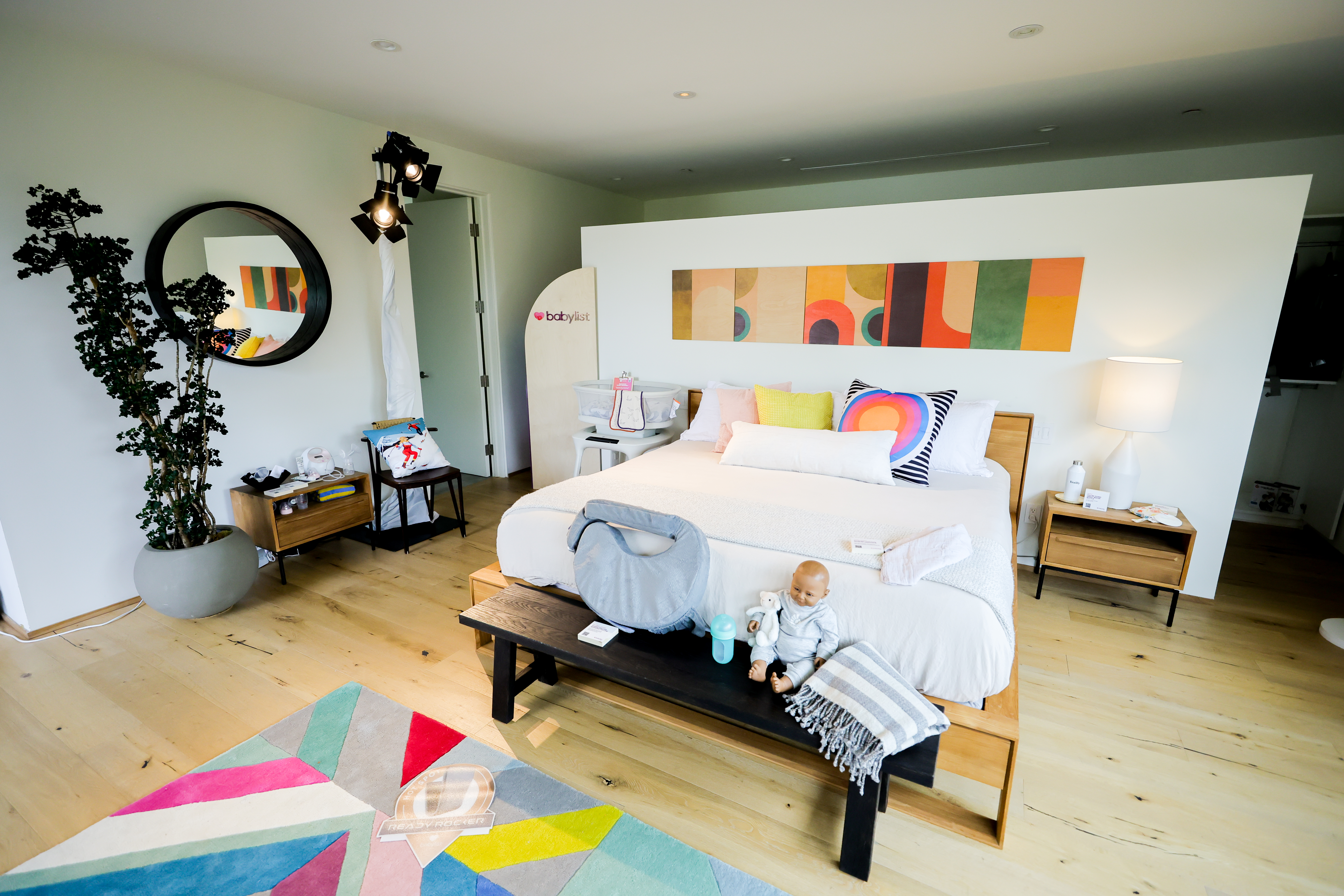
If the minimalist years left your rooms feeling a little flat, this trend offers a correction. Shea McGee of Studio McGee tells Elle Decor that pattern-on-pattern layering will continue to see a reappearance this year through items like drapery, wallpaper, upholstery, and throw pillows — all in coordinating bold patterns. McGee calls out florals as “a big one.”
According to McGee, this layering “creates a collected look that feels like it evolved organically over time.” But there’s a method to making it work. “The key is thoughtful pairing—let one hero pattern lead and support it with softer companions,” she says.
That “hero pattern” concept is the practical takeaway here. Choose one dominant print for your largest textile (a curtain panel, a sofa, a wallpapered accent wall), then layer in secondary patterns at smaller scales — a striped pillow, a subtle geometric on a throw. Keeping the color palette coordinated prevents the room from feeling chaotic.
The bedroom trend getting attention from designers in 2026 has a name that captures the idea immediately: cocoon bedrooms.
“Think padded, upholstered, and layered,” says interior designer Zoë Feldman of Zoë Feldman Design to Better Homes and Garden. She says people are looking for intimacy, and the cocoon bedroom trend delivers a more cozy and comfortable environment. Instead of the strict lines people are used to, Feldman says the trend uses softer, sculptural shapes.
“We’re using pieces with curves, asymmetry, and evidence of the hand that made them,” she says. “Silk, mohair, and washed linen add depth and tactility, softening acoustics and giving the room a quietly tailored finish.”
The specific moves Feldman describes: enveloping headboards and upholstered wall panels to create a sense of calm and intimacy in a bedroom. If you’re testing the waters, an oversized upholstered headboard that extends beyond the edges of the bed frame is one of the simplest entry points. Layering textured throws in different weights and adding linen or mohair accents builds that wrapped, insulated feeling without a full redesign.
The fifth direction blurs the boundary between residential and hospitality design. Elliot March, architect and founding partner of March and White Design, tells Better Homes and Gardens that this crossover is accelerating.
“We are seeing greater fluidity and interest in hospitality design, with residential design transforming to incorporate more hospitality elements—after all, who wouldn’t want to live in a hotel, with all the services and amenities that elevate the magic in everyday living,” he says.
What does that look like in practice? Think about what makes a well-designed hotel room feel so immediately comfortable: intentional lighting at multiple levels, a bathroom that feels spa-adjacent, a bedside setup where everything you need is within reach. Applying those details at home — a tray with water and a glass on the nightstand, layered task and ambient lighting in the bathroom, plush towels folded rather than bunched — can shift how a space feels without a renovation.
The thread connecting all five trends is a move toward spaces that feel more personal, more tactile, and more deliberately comforting. The design pendulum is swinging away from stark and streamlined toward rooms that reward you for being in them.